Resiliency Center
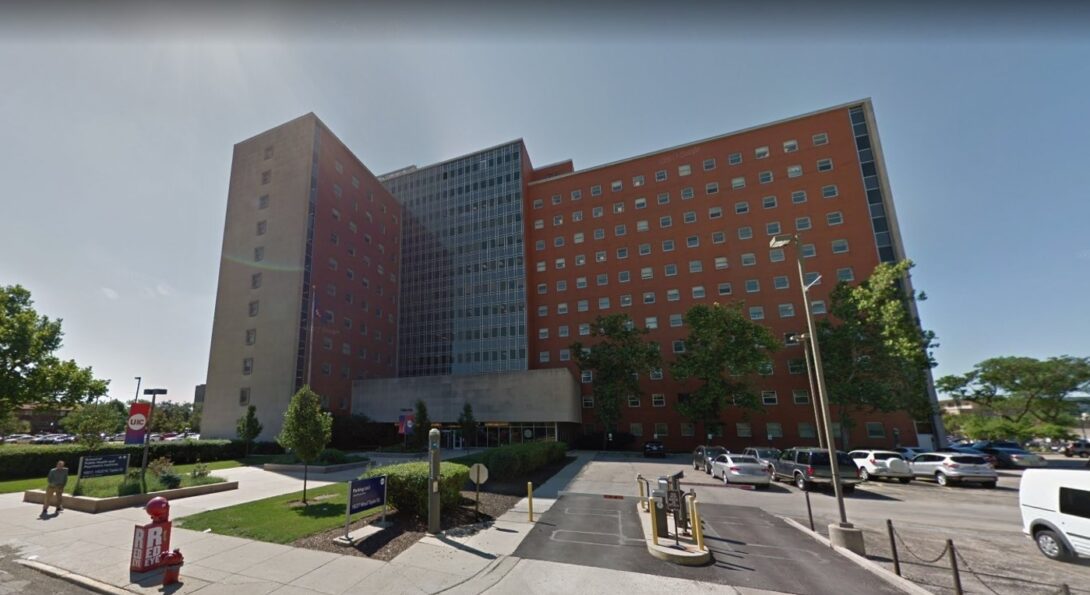
The UIC Resiliency Center provides mental health services to UIC’s College of Medicine medical and graduate students on UIC’s West Campus. There is no cost to students to receive services.
Services are provided by clinicians who do not have any evaluative role for College of Medicine students.
Location and Availability Heading link
-
Neuropsychiatric Institute Offices
912 S Wood St.
Chicago, IL – 60612 -
Psychiatric Institute Office
1601 W. Taylor Street
Room 441
Chicago, IL – 60612
Seeking Mental Health Services? Heading link
Please contact Resiliency Center to initiate the intake process.
You can set up an appointment using the online form or contact the center director. Please state that you’re a College of Medicine student in your communication. An evaluation will be set up with a mental health professional within one week.
Contact the Center Director Heading link
Dr. Jenna Duffecy
Services and Team Heading link
-
Services can be provided in person or via telehealth.
During your education at UI College of Medicine, the Resiliency Center practitioners will provide up to six sessions of talk therapy lasting between 45 and 60 minutes each. Appointments can be scheduled in advance or on an as-needed basis with the patient’s assigned provider, which will be determined after the intake evaluation. Patients will be triaged to either supportive psychotherapy or cognitive behavioral therapy (CBT)
Supportive Psychotherapy
Supportive psychotherapy aims to relieve symptoms of psychological distress (e.g., stress/overwhelm, low mood, difficulty adjusting to new situations) and increase self-efficacy through interventions such as reflective listening, empathic validation, and development of adaptive coping skills (e.g., relaxation, deep breathing). Supportive psychotherapy often integrates techniques from multiple therapeutic modalities and is best suited for individuals experiencing difficulties with stress management, burnout, grief and loss, and life transitions.
CBT
Cognitive behavioral therapy is a short-term, goal-oriented form of psychotherapy that has extensive research support for an assortment of mental health conditions including depression and anxiety. The general premise of CBT is that thoughts, emotions, and behaviors all influence one another in a bidirectional fashion, such that intervening on any one of these will in turn influence the others. The patient and therapist collaborate closely in service of setting concrete goals and developing a treatment plan aimed at achieving them. CBT targets dysfunctional thinking patterns and maladaptive behaviors through interventions including psychoeducation, self-monitoring, and skills training (e.g., challenging one’s thoughts, entering previously-avoided situations). Between-session assignments will also be assigned to facilitate learning and generalization.
Medication Management
Also known as pharmacotherapy, medication management focuses on using safe and effective medications (e.g., selective serotonin reuptake inhibitors, or SSRIs) to alleviate symptoms of conditions including major depressive disorder, anxiety disorders, posttraumatic stress disorder, and obsessive-compulsive disorder. Pharmacotherapy can be used as a standalone intervention or in combination with forms of psychotherapy, depending on the results of the initial intake evaluation as well as patient preferences.
-
Jennifer Duffecy, PhD
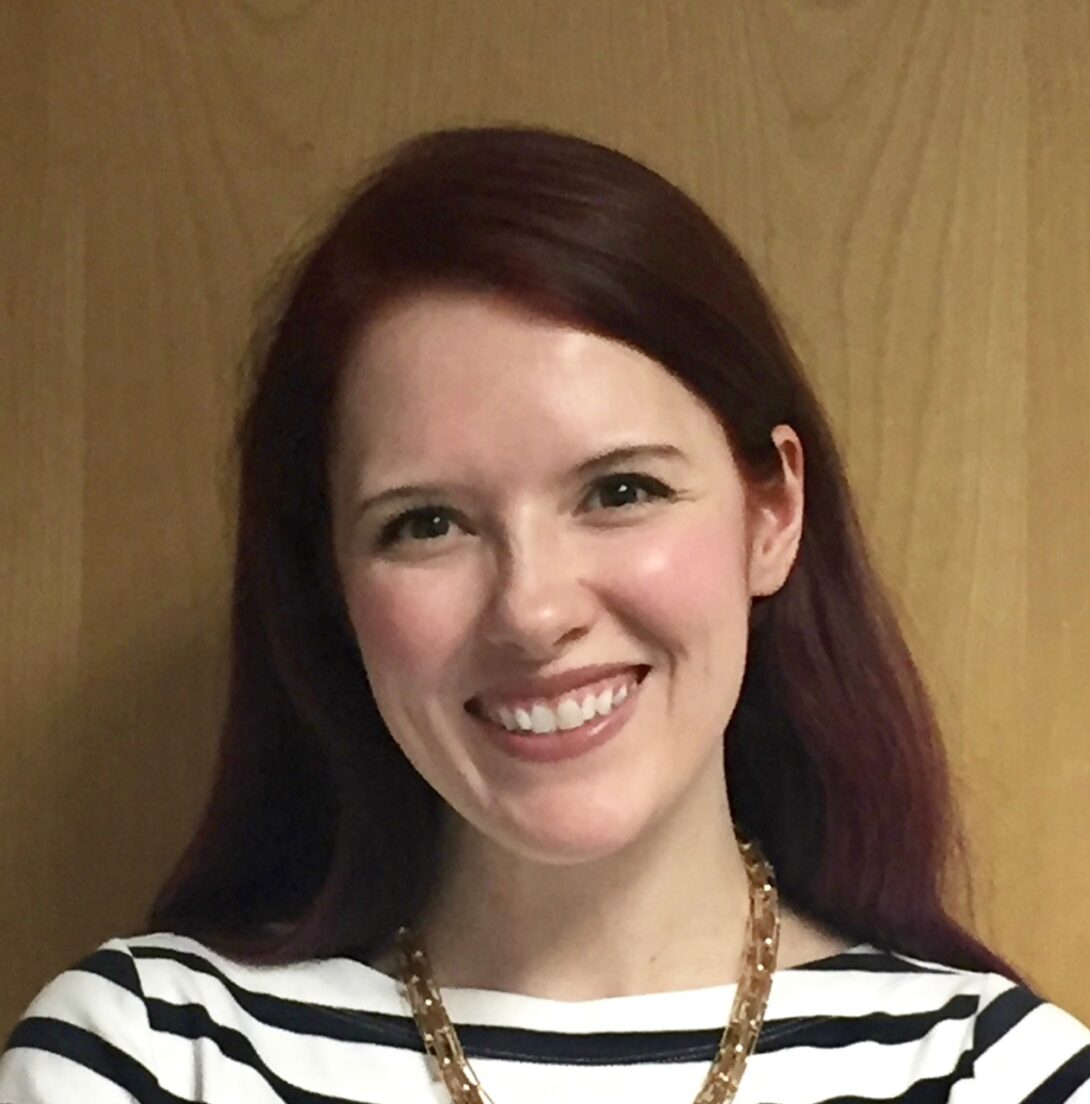
Dr. Duffecy is an Associate Professor of Clinical Psychiatry in the Mood and Anxiety Disorders program at UIC. She is the director of Cognitive Behavioral Therapy Research and Services as well as the Director of Clinical Research for The Center for Research for Women and Gender. She specializes in providing intervention for stress management and burnout with a focus on issues relevant for students, including anxiety, lifestyle changes and professional development.
Dr. Duffecy received her Bachelor of Arts degree in Psychology from North Central College. She received her Master of Arts and Doctor of Philosophy degrees in Clinical Psychology from the Illinois Institute of Technology. She completed her APA-accredited pre-doctoral internship at Rush University Medical Center. Her postdoctoral fellowship was at UIC. She was faculty at Northwestern University’s Feinberg School of Medicine prior to returning to UIC.
Jaclyn Weisman, PhD
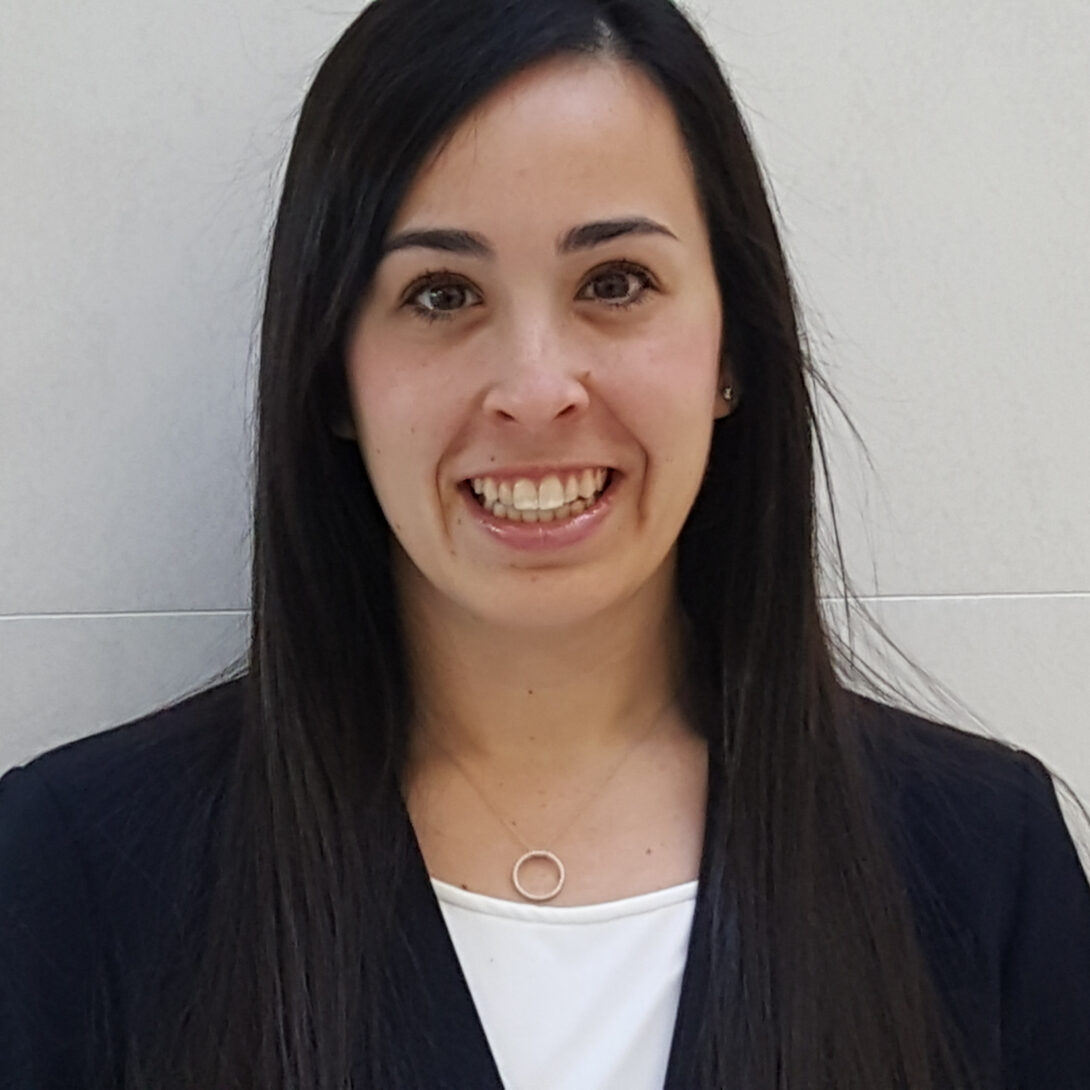
Dr. Weisman is an Assistant Professor of Clinical Psychiatry in the Mood and Anxiety Disorders program at UIC. She specializes in empirically-supported treatments for anxiety and obsessive-compulsive disorder, with emphasis on exposure therapy as well as transdiagnostic approaches to comorbid anxiety and depression. She also treats body-focused repetitive behaviors (e.g., trichotillomania, skin-picking) and holds a certification in prolonged exposure therapy (PE) for posttraumatic stress disorder conferred through Emory University’s consultant training program.
Dr. Weisman received her Bachelor of Arts degree in Psychology, with a minor in Spanish, from Northwestern University. She received her Master of Arts and Doctor of Philosophy degrees in Clinical Psychology from Washington University in St. Louis. She completed her APA-accredited pre-doctoral internship at the University of Chicago (Department of Psychiatry & Behavioral Neuroscience). She subsequently remained at UCM for a one-year postdoctoral fellowship in Clinical Health Psychology prior to joining UIC.
Gustavo Medrano, PhD
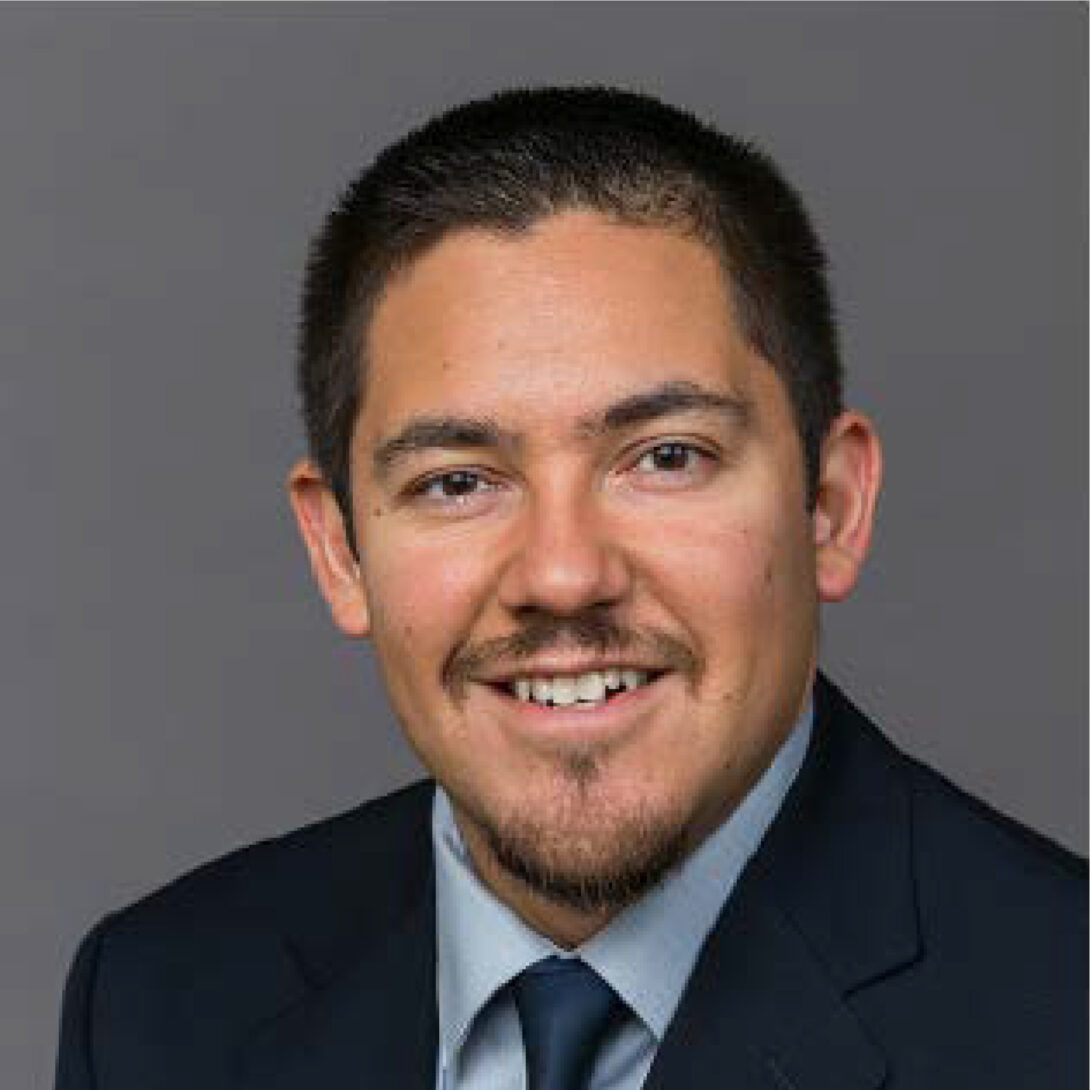
Dr. Medrano is an Assistant Professor of Clinical Psychology in the Mood and Anxiety Disorders program at UIC, and is board certified in Behavioral and Cognitive Psychology by the American Board of Professional Psychology (ABPP). He specializes in the use of behavioral and cognitive behavioral therapies in treating depression, anxiety, post-traumatic stress disorder, emotion dysregulation, couples conflict and other related difficulties. As a native Spanish speaker, Dr. Medrano is a bicultural and bilingual provider.
Dr. Medrano received his Bachelor of Science in Psychology and Journalism from Northwestern University, and became a high school teacher through Teach for America, concurrently enrolled at the University of Pennsylvania for Urban Education. Dr. Medrano received his Master of Science and Doctor of Philosophy degrees in Clinical Psychology at the University of Wisconsin-Milwaukee. He completed his APA-approved pre-doctoral internship at the University of Wisconsin-Madison (Department of Psychiatry), and then completed a 2-year postdoctoral clinical fellowship in couples therapy and DBT at The Family Institute at Northwestern University. He was a staff psychologist and the DBT group supervisor at The Family Institute prior to joining UIC.
Kristina Stevens, MSN, APRN, PMHNP-BC
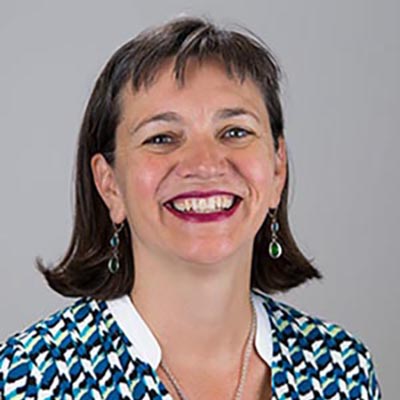
Kristina Stevens is a psychiatric Mental Health Nurse Practitioner. Her specialties included mood disorders (depression, bipolar), anxiety, women’s mental health, and working with students attending the University. Ms. Stevens is passionate about advocating to destigmatize mental health, and providing non-judgmental space for patients to heal.
Olusola Ajilore, MD, PhD
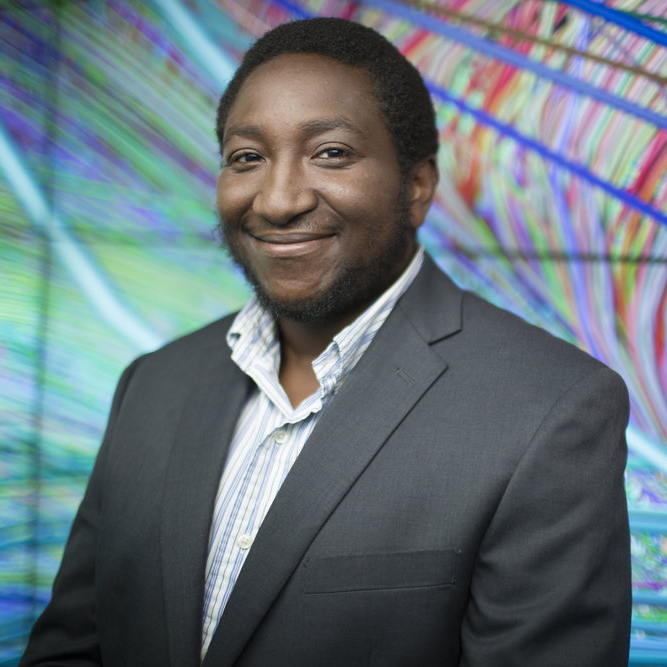
Dr. Ajilore is a psychiatrist and Associate Professor in the Department of Psychiatry at the University of Illinois-Chicago. He graduated magna cum laude from Harvard University with a degree in biology. Dr. Ajilore went on to do his MD/PhD degree at Stanford University where he studied the deleterious effects of stress hormones on the brain. He joined the research track residency at UCLA where he transitioned into neuroimaging in major depression. He is currently using novel neuroimaging techniques to better understand the pathophysiology of mood disorders. He plays a role in medical student education as the co-director of Phase 1 Block 6: Brain and Behavior.
Alvie Bender, LCSW
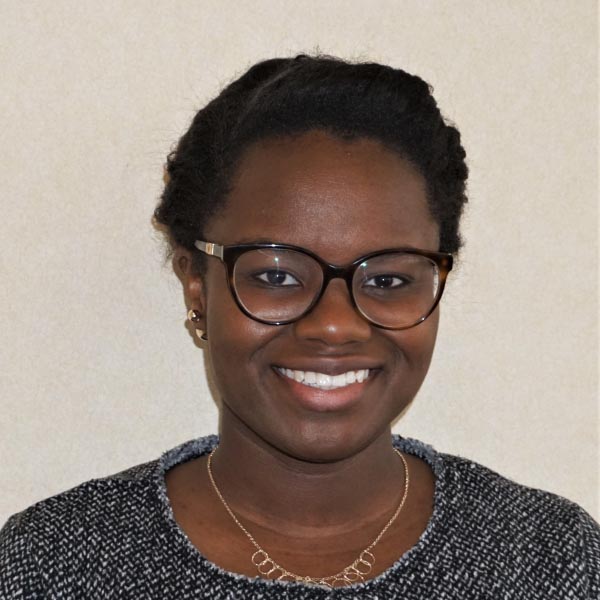
Alvie Bender is a Licensed Clinical Social Worker who provides individual and supportive psychotherapy to adults in the College of Medicine. Her therapeutic approach consists of Cognitive Behavioral Therapy, Solution Focused Therapy, and Mindfulness interventions to help facilitate change behaviors. Much of her work has focused on treatment of mood disorders, anxiety, adjustment to life transitions, and trauma. In practice, Alvie emphasizes a strengths-based approach working in partnership with clients, using their strengths to help them sort out their challenges and achieve their goals.
J. Konadu Fokuo, Ph.D.
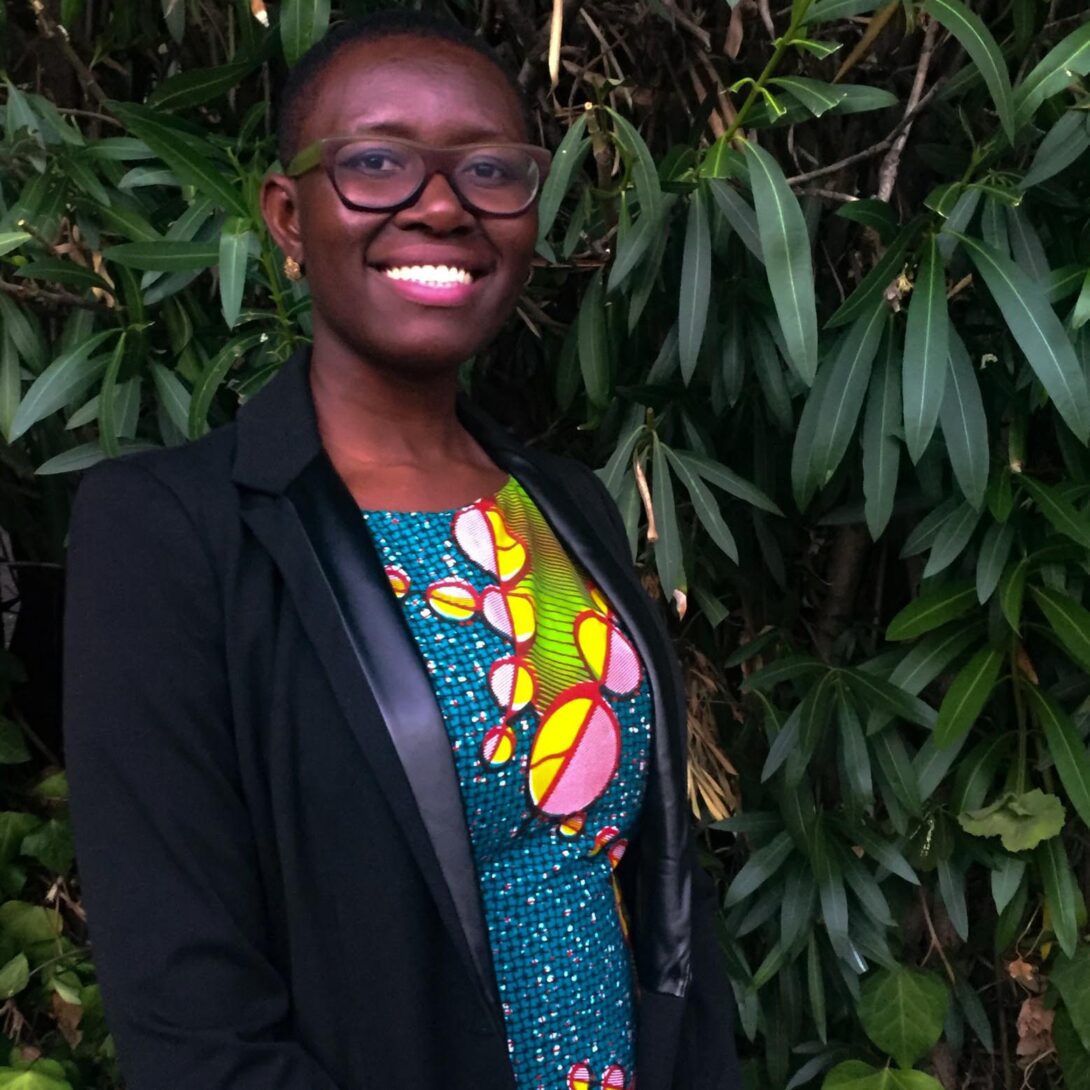
Dr. J. Konadu (pronounced: Koonaydoo) Fokuo (pronounced: Foecuoh) is a Clinical Instructor with the Mood and Anxiety Disorder clinic. She completed her Ph.D. in Clinical Psychology with a specialization in Rehabilitation Psychology at the Illinois Institute of Technology. Her internship and postdoctoral fellowships (clinical and research) were at University of California, San Francisco. Her clinical, supervision, leadership and research efforts focus on developing targeted interventions for persons with behavioral health disorders. Dr. Fokuo’s primary research interest is in reducing stigma (structural, public, and self) as a barrier to health service utilization for stigmatized populations. Her clinical skills include motivational interviewing, and behavioral and cognitive behavioral therapies for individual and group psychotherapy.
Kelley Volpe, MD
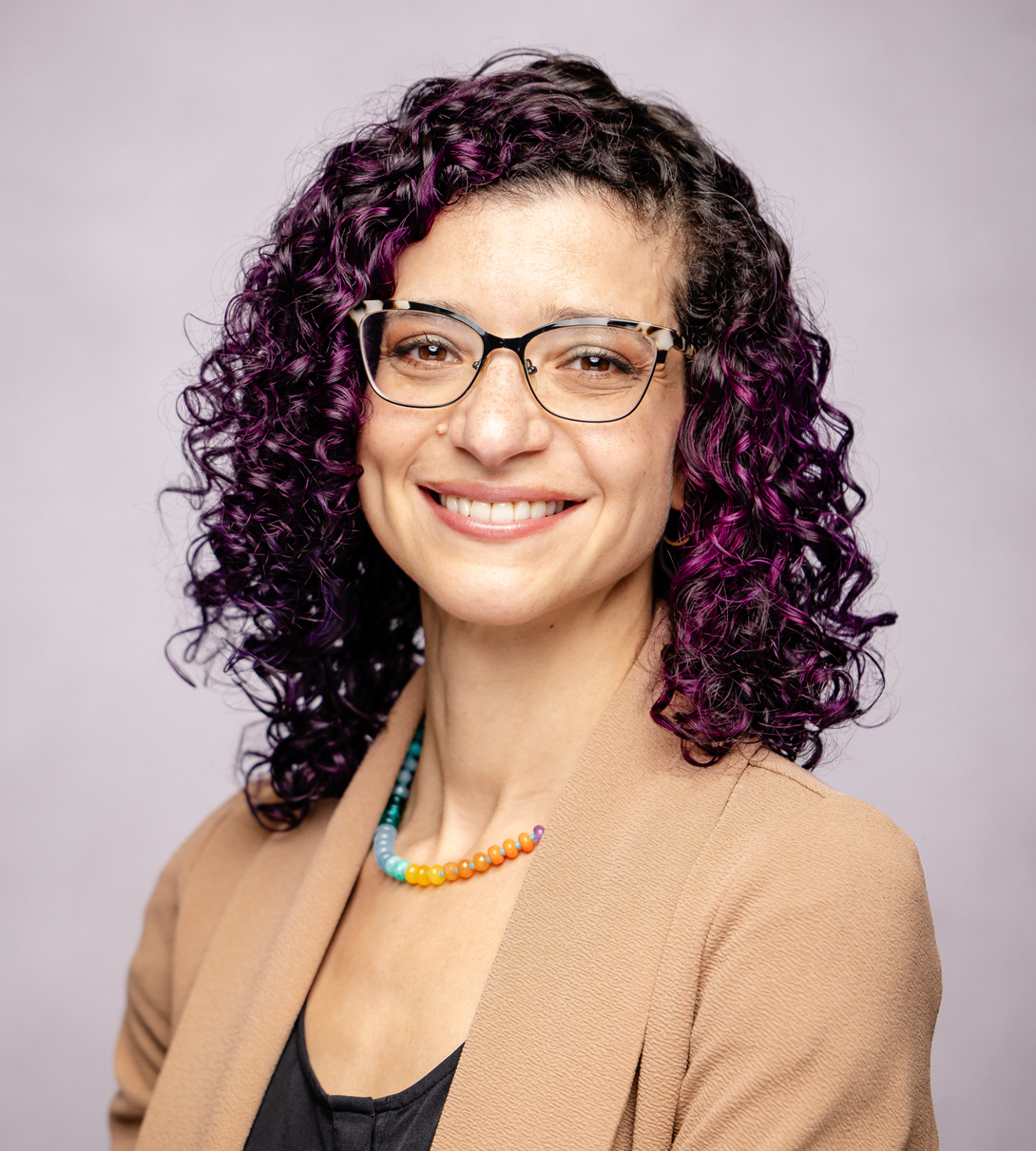
Dr. Volpe is a psychiatrist and Associate Professor in the Department of Psychiatry at the University of Illinois-Chicago. She received her undergraduate degree in psychology from Yale University and then went on to complete medical school at the University of Illinois at Chicago College of Medicine. Dr. Volpe completed a combined Adult/Child Psychiatry Research Track residency and fellowship at the University of Illinois at Chicago Hospital and Health Sciences System. She is ABPN board certified in both General Psychiatry and Child Psychiatry. Dr. Volpe joined the department in 2017 and is director of the Child Psychiatry Fellowship program. She is currently working on her Master’s in Health Professional Education and examining the role of interprofessional teamwork in fellowship education.
Weiyang Xie, PhD
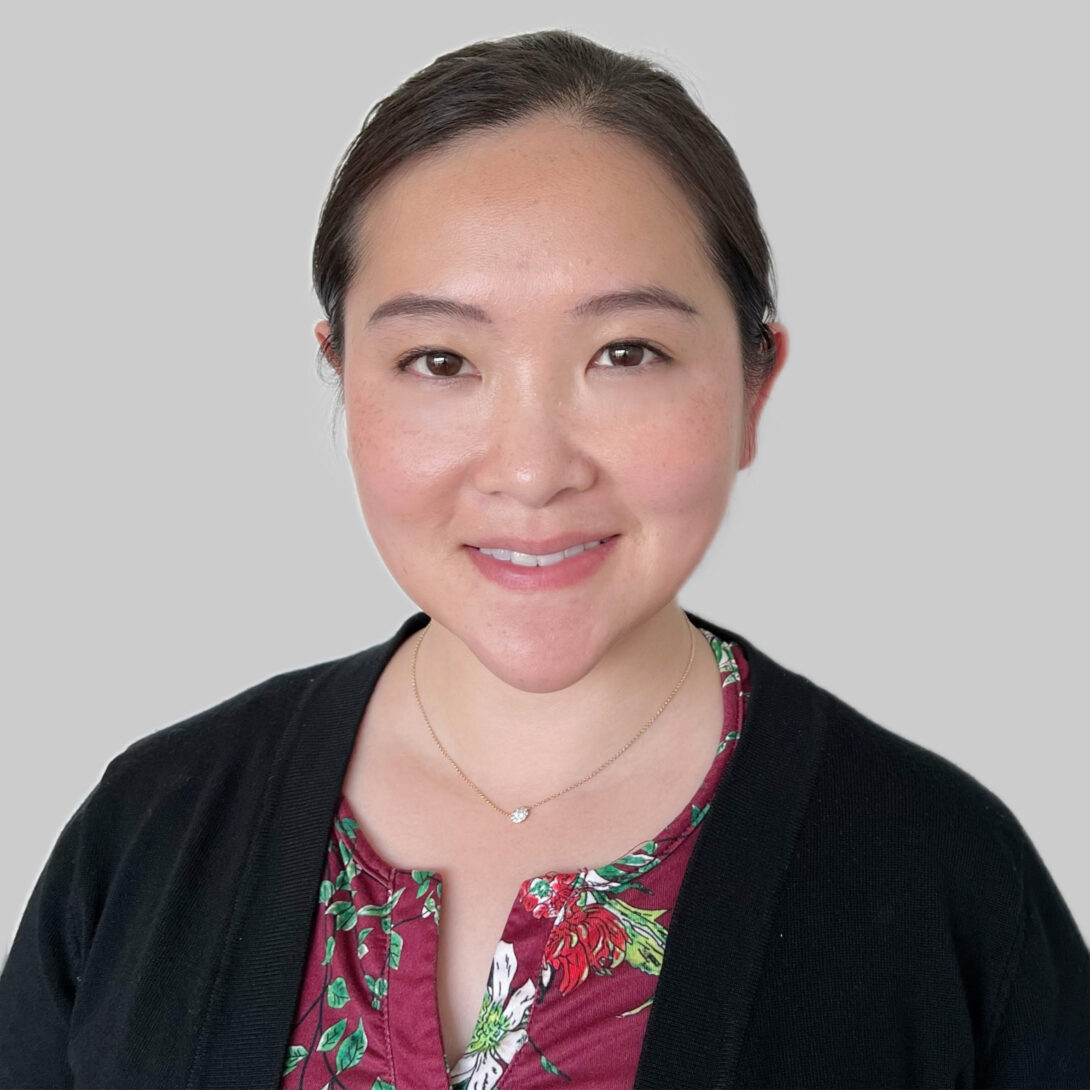
Dr. Xie is an Assistant Professor of Clinical Psychiatry and a Clinical Psychologist in the Mood and Anxiety Disorders program at UIC. Her clinical practice includes issues related to attention deficits, anxiety disorders, mood disorders, multicultural counseling, applied positive psychology, and biofeedback.
Dr. Xie holds a doctoral degree from the Counseling and Student Personnel Psychology Program at the University of Minnesota. Dr. Xie completed her APA-accredited pre-doctoral internship at the University of Florida Counseling & Wellness Center. She previously worked as a Clinical Psychologist at the University of Notre Dame, where she primarily worked with undergraduate and graduate students. She also served as the DEI Committee chair for the Health & Wellness Unit at Notre Dame.
Dr. Xie is the presenter of the TEDx speech “Rewire your Brain for Self-Compassion” which discusses strategies to develop resilient thinking patterns to prevent mental health issues and improve psychological well-being.