Division of Gastroenterology and Hepatology
We are one of the largest state medical schools in an unparalleled urban location dedicated to promoting excellence in clinical care, advances in cutting edge research and educating future leaders in gastroenterology and hepatology.
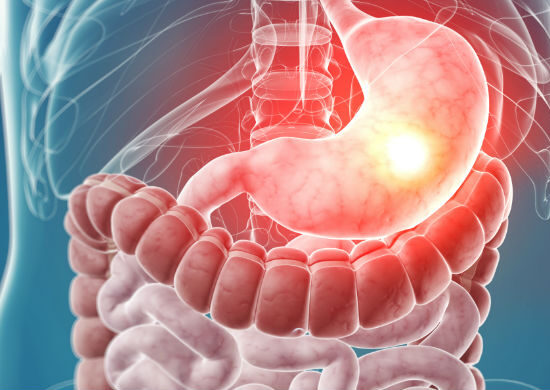
Fellowship Program Heading link
The Division of Gastroenterology and Hepatology at UIC offers 1-3 fellowship positions each year for highly qualified physicians dedicated to obtaining the highest quality training in all aspects of gastroenterology and hepatology. The training occurs in the shadow of one of the most beautiful cities in the United States, providing the trainee and their family with amazing opportunities.
R&P Heading link
-
Research
We are one of the largest state medical schools in an unparalleled urban location dedicated to promoting excellence in clinical care, advances in cutting edge research and educating future leaders in gastroenterology and hepatology. The research in the Division of Gastroenterology and Hepatology is focused on Epithelial Transport & Diarrheal Disorders, Cancer Research, Host-Pathogen Interactions & Gut Microbiota, Inflammation and Nutrition & Metabolism.
-
Patient Care
The Division of Gastroenterology and Digestive Diseases at UI Health is staffed by physicians and scientists who specialize in diseases of the liver and gastrointestinal (GI) tract, which includes the esophagus, stomach, gallbladder, pancreas, small and large intestine (colon), and rectum. Also, The Department of Hepatology at UI Health specializes in the treatment and management of all liver disorders, including viral hepatitis (hepatitis B and C), autoimmune liver disease, nonalcoholic fatty liver disease, primary biliary cirrhosis, primary sclerosing cholangitis, hepatocellular carcinoma, liver lesions, alcohol liver disease, cirrhosis, and patients in need of liver transplantation.
Clinical Programs Heading link
-
Diagnostic and Therapeutic Endoscopy
Our team of therapeutic endoscopists treats a variety of conditions using cutting-edge techniques and technology to limit risks and provide outstanding results.
-
Inflammatory Bowel Disease Program
We provide care for patients with Inflammatory Bowel Disease (IBD) with an interdisciplinary team of gastroenterologists, IBD pharmacists, colorectal surgeons, and nurse practitioners. We are skilled in seeing patients with IBD in consultation, evaluating patients for IDB, and providing continuity of care for patients with Crohn’s disease, chronic diarrhea, and ulcerative colitis.
-
Gastrointestinal Cancer Prevention Program
In collaboration with the University of Illinois Cancer Center, the Gastrointestinal Cancer Prevention Program offers personalized risk assessment and individualized care to patients who may be at increased risk for cancer due to a personal history of cancer, family history of cancer, and/or a known or suspected hereditary cancer syndrome. The program is led by Dr. Keith Naylor, a gastroenterologist with expertise in high-risk GI cancer diagnosis and management. Genetic counseling and testing services are offered that can help patients better understand their personal cancer risk, and may influence the choices they and their family make about cancer screening and prevention.
-
Hepatology Liver Disease
Our Hepatology team specializes in the treatment and management of all liver disorders, including viral hepatitis (hepatitis B and C), autoimmune liver disease, nonalcoholic fatty liver disease, primary biliary cirrhosis, primary sclerosing cholangitis, liver cancer (hepatocellular carcinoma), liver lesions, alcohol liver disease, cirrhosis, and patients in need of liver transplant.
-
Liver Transplantation
The Liver Transplant team at UI Health is one of the most experienced and leading-edge programs in transplant. Our Hepatologist’s work with a talented multi-disciplinary team to provide expert personalized care to our patients. We are continuously working on the next advances and have transplanted many complex patients, including those liver cancer and those seeking a second opinion about transplant. Our skilled surgeons have performed split liver transplants, ABO-incompatible transplants and are experienced in living donor liver transplant.
-
Esophageal Program
The Esophageal Program specializes in the treatment of a variety of esophageal disorders and works to maintain patients’ esophageal health. Our specialists use state-of-the-art technology to diagnose and treat esophageal diseases using a multidisciplinary team approach.
News Heading link